

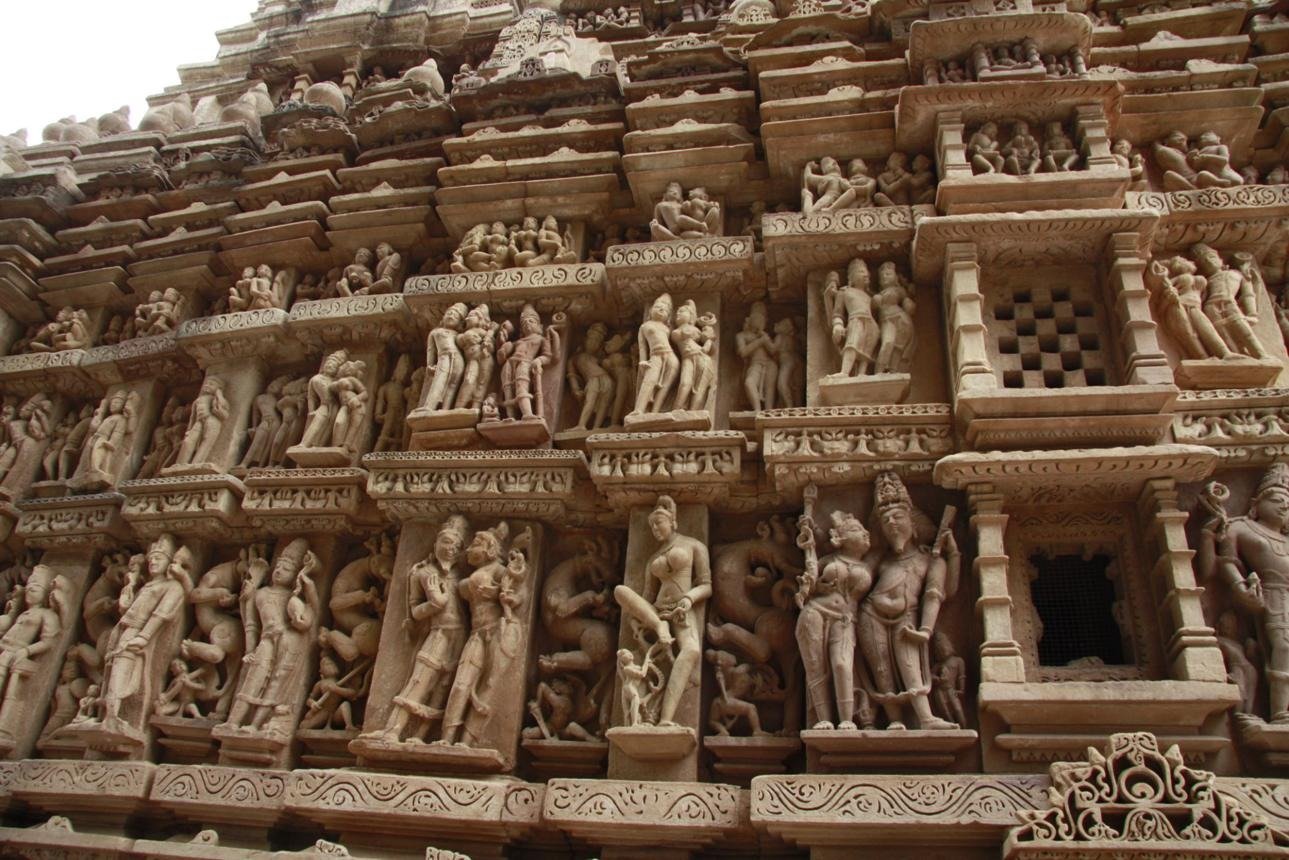
The Khajuraho Temples are among India’s most fascinating historical treasures, known not only for their stunning architecture but also for the stories they silently narrate through stone. Located in Khajuraho, these temples are part of the Khajuraho Group of Monuments and continue to surprise visitors with their artistic brilliance, symbolism, and cultural depth.
For many foreign travelers, Khajuraho is especially प्रसिद्ध (famous) for its erotic sculptures, a detail that often sparks curiosity even before arrival. However, experiencing them in person changes that perception entirely. Rather than being provocative, these carvings feel deeply artistic and symbolic, representing human emotions, relationships, and the philosophy of life in ancient India.
From mythological tales to everyday life scenes and yes, even intimate human expressions every sculpture here has a story to tell. As a visitor from outside India, it feels like discovering a culture that once embraced life in its fullest form, without hesitation or division between the sacred and the sensual.
A Glimpse into the History of Khajuraho
Built between the 9th and 12th centuries by the Chandela Dynasty, the Khajuraho temples once numbered around 85, of which about 20 still stand today. These temples were designed to reflect harmony between spirituality and daily life.
What stands out immediately to international visitors is how different Khajuraho feels compared to traditional religious sites. There is no rigid separation between the sacred and the human; everything coexists beautifully in stone.
Erotic Sculptures: Beyond What Meets the Eye
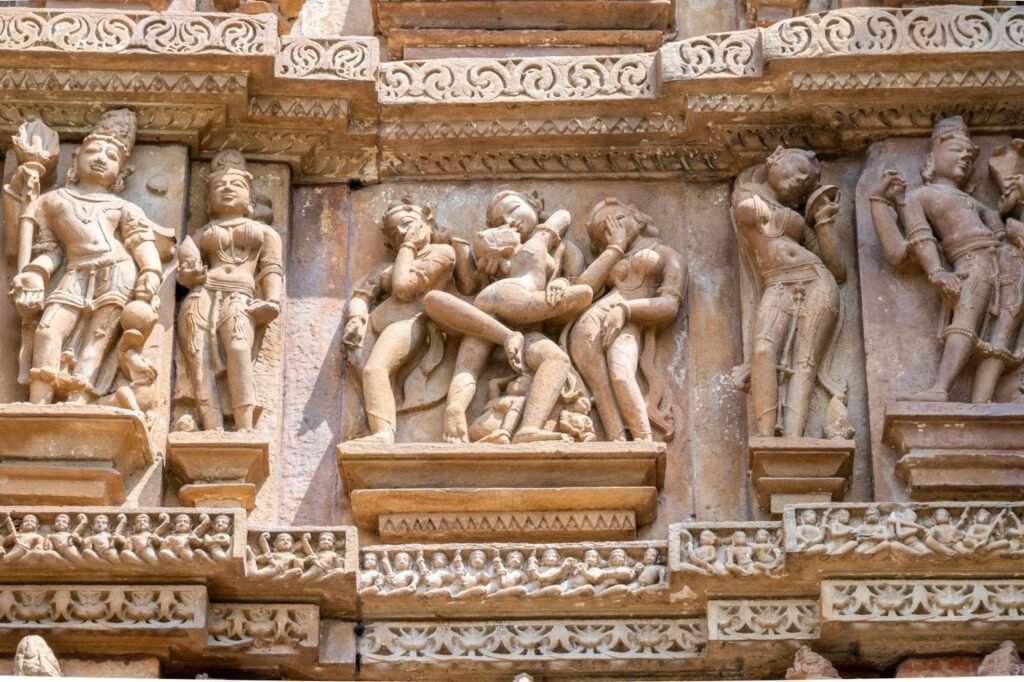
Before visiting, many foreign tourists associate Khajuraho mainly with its famous erotic sculptures. But standing in front of them is a completely different experience.
Rather than being shocking, these carvings feel artistic, symbolic, and deeply philosophical.
Here’s what makes them truly fascinating:
- They represent human desire as a natural part of life, not something hidden
- Many scholars link them to the ancient Indian text Kama Sutra
- They symbolize the idea that spiritual growth includes understanding worldly life
- The erotic carvings form only a small portion of the total artwork, yet leave a lasting impression
From a Western perspective, it’s surprising to see such openness carved into temple walls centuries ago. It reflects a society that embraced balance—between body, mind, and soul.
Stories Hidden in Every Sculpture
Beyond the erotic art, the temples reveal a much broader narrative of life.
The walls portray:
- Scenes of musicians, dancers, and celebrations
- Daily life activities and family moments
- Mythological stories of gods and goddesses
- Spiritual teachings and symbolic imagery
For a foreign visitor, it feels like walking through a stone encyclopedia of ancient Indian life, where every carving tells a story waiting to be interpreted.
The Architectural Marvels That Still Amaze
The temples of Khajuraho are divided into three main groups—Western, Eastern, and Southern each offering a unique experience.
Some of the most remarkable temples include:
- Kandariya Mahadev Temple – Known for its grand scale and intricate carvings
- Lakshmana Temple – Famous for its symmetry and detailed sculptures
The Western Group is the most popular, showcasing towering spires and incredibly detailed facades. As an outsider, it’s hard not to admire the precision and craftsmanship achieved without modern technology.
Experience Khajuraho with Comfort and Insight
Exploring Khajuraho becomes even more enriching when planned thoughtfully. Travel experiences like the Khajuraho Heritage & Temple Tour by S5 Hospitality offer a well-balanced journey that combines history, comfort, and guided exploration.
Such tours allow travelers to:
- Visit all temple groups without hassle
- Understand deeper meanings behind sculptures
- Experience cultural highlights like the Sound & Light Show
- Travel comfortably with planned itineraries
A Journey Through Time: What to Expect
A visit to Khajuraho feels like entering a living museum.
Day one often includes the Western Group, where the most iconic temples stand. As evening falls, the Sound & Light Show beautifully narrates the history, adding emotion to what you’ve seen.
The next day usually covers the Eastern and Southern groups, which are quieter and offer a more peaceful, reflective experience.
Why Khajuraho Still Surprises Visitors
Even after centuries, Khajuraho continues to amaze—especially for foreign travelers:
- The level of detail in each sculpture is extraordinary
- The open depiction of intimacy challenges modern perceptions
- The blend of spirituality and human life is rare globally
- Every visit reveals new meanings and interpretations
Conclusion
The Khajuraho Temples are more than architectural wonders; they are storytellers carved in stone. For a foreign visitor, they offer a unique perspective on a culture that embraces life in its fullest form spiritual, emotional, and physical.
Whether you are a history enthusiast or a curious traveler, Khajuraho promises an experience that is both eye-opening and unforgettable. With thoughtfully curated journeys like the Khajuraho Heritage & Temple Tour by S5 Hospitality, exploring these timeless stories becomes even more meaningful.
A visit to Khajuraho is not just about seeing temples, it’s about discovering a world that continues to surprise, challenge, and inspire.